How to design impactful campaign artwork that sells your show
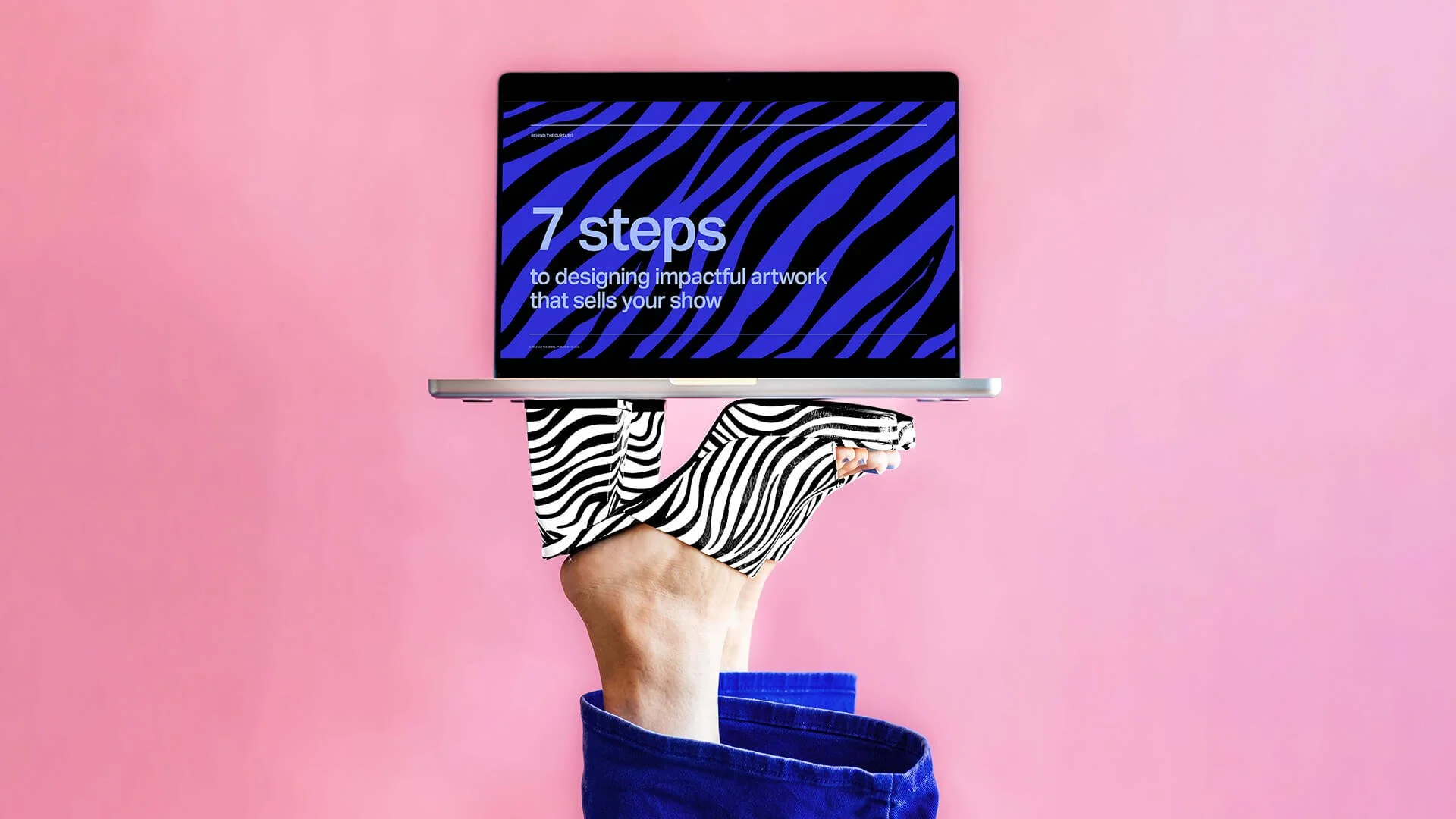
Photo by Antoine Bouchina
People often assume that creatives always have bright ideas that magically appear out of nowhere. While inspiration does strike sometimes (maybe even in the shower), most of the time, impactful campaign artwork comes from following a clear, strategic design process.
If you’re an event organiser, cultural institution, or creative professional, understanding this process can save time, avoid costly trial and error, and ensure your campaign visuals truly connect with your audience. That’s why I created a free guide: “7 Steps to Designing Impactful Artwork That Sells Your Show” — packed with worksheets, case studies, and practical tips.
Step 1: understand the event
Every campaign starts with a solid understanding of the event itself. Before designing anything, we ask questions like:
What is the vision, mission, and values of the event?
Who is the target audience?
What are the goals of this campaign?
These questions form the foundation of our design work. You can’t create meaningful artwork until you know who you’re designing for and what the event stands for.
Step 2: research and brainstorm
Once the vision is clear, we dive into research and idea exploration. This includes looking at trends, references, and competitor campaigns, followed by brainstorming sessions to generate creative concepts. The goal is to explore as many ideas as possible before narrowing down to the strongest directions.
Step 3: build a stylescape
Next, we create a stylescape: a visual collage that defines the campaign’s overall vibe through colours, fonts, imagery, and iconography. This helps guide concept development and ensures all creative elements feel cohesive from the start.
Step 4: develop concept ideas
With the stylescape as a foundation, we begin developing concept ideas. Two to three concepts may be presented, but only one will ultimately be refined into the final key artwork. The concept needs to work across all campaign touchpoints and resonate with the target audience.
Step 5: refine and adapt
Once a concept is chosen, it’s refined and adapted across formats: posters, social media graphics, email campaigns, and more. The key artwork becomes the cornerstone of the campaign, ensuring consistency across channels.
Step 6: launch and evaluate
Designing the artwork is just one part of the campaign. Once launched, we monitor its performance, gather feedback, and document lessons for future campaigns. This ensures every project improves upon the last.
Step 7: get your own step-by-step guide
The process sounds straightforward, and it is, but it takes time, strategy, and experience. To make it easier for you, I’ve compiled all the steps I follow when designing campaign artwork into a free guide.
Inside, you’ll find:
Detailed worksheets to plan your campaign
Case studies from real events
Tips and resources to build your own campaign artwork